STUDIO 4B URBANISM “VERTICAL METROPOLIS
Fall 2013
Professor: Theresa Hwang
Partners: Jose Siquina
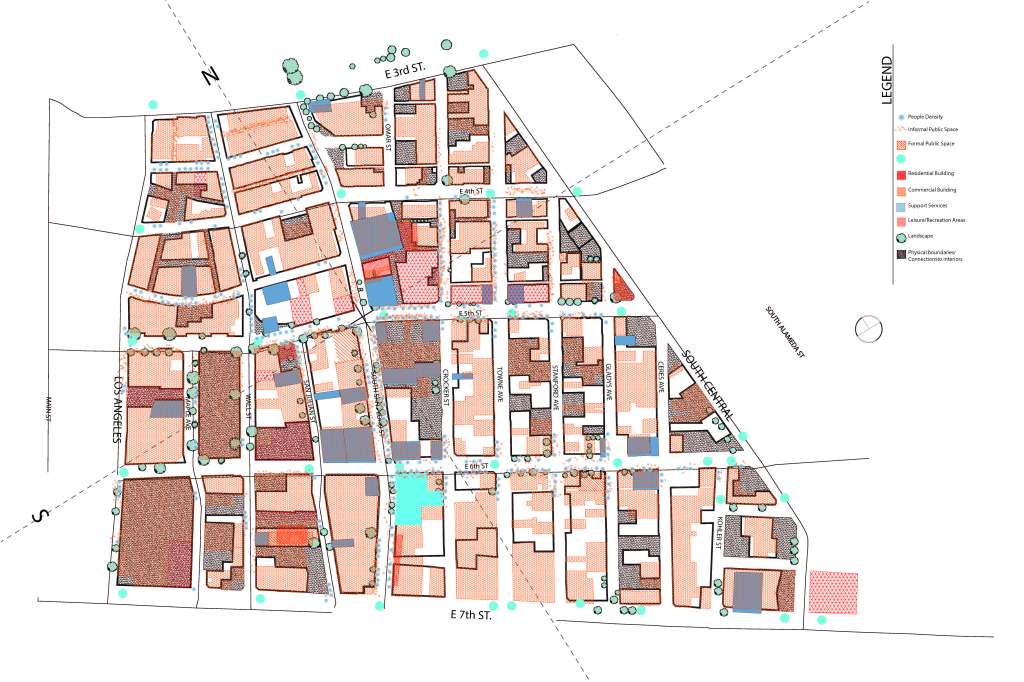

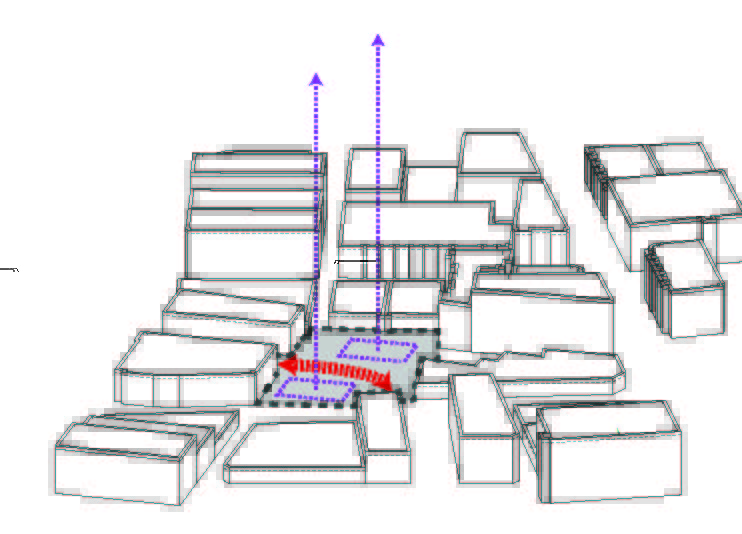
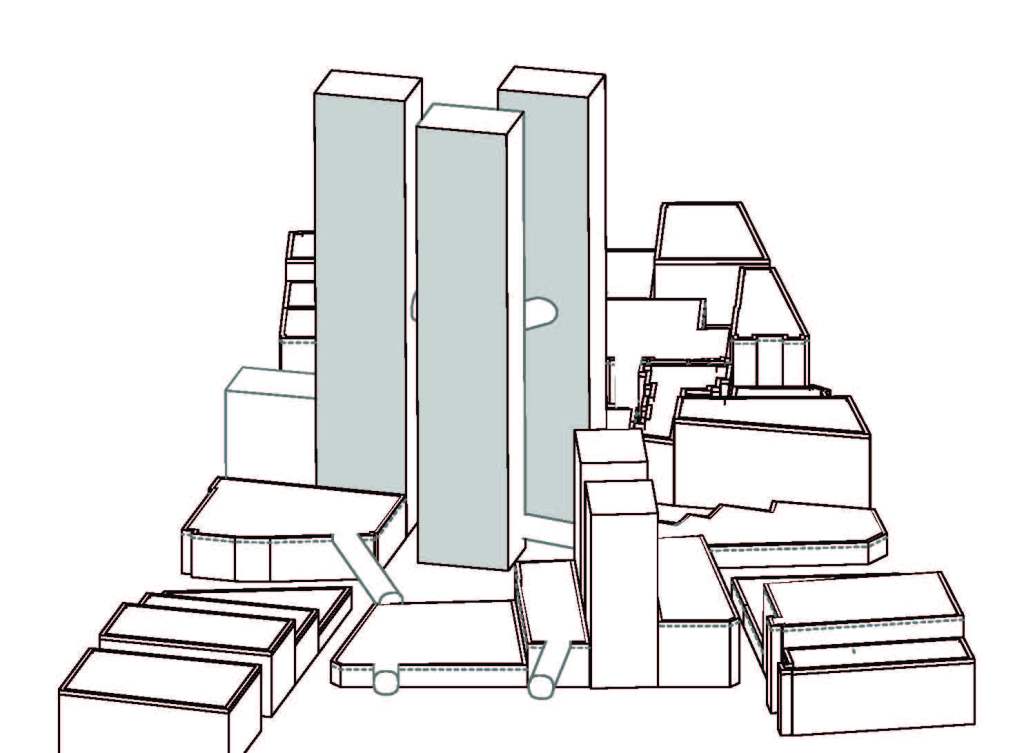
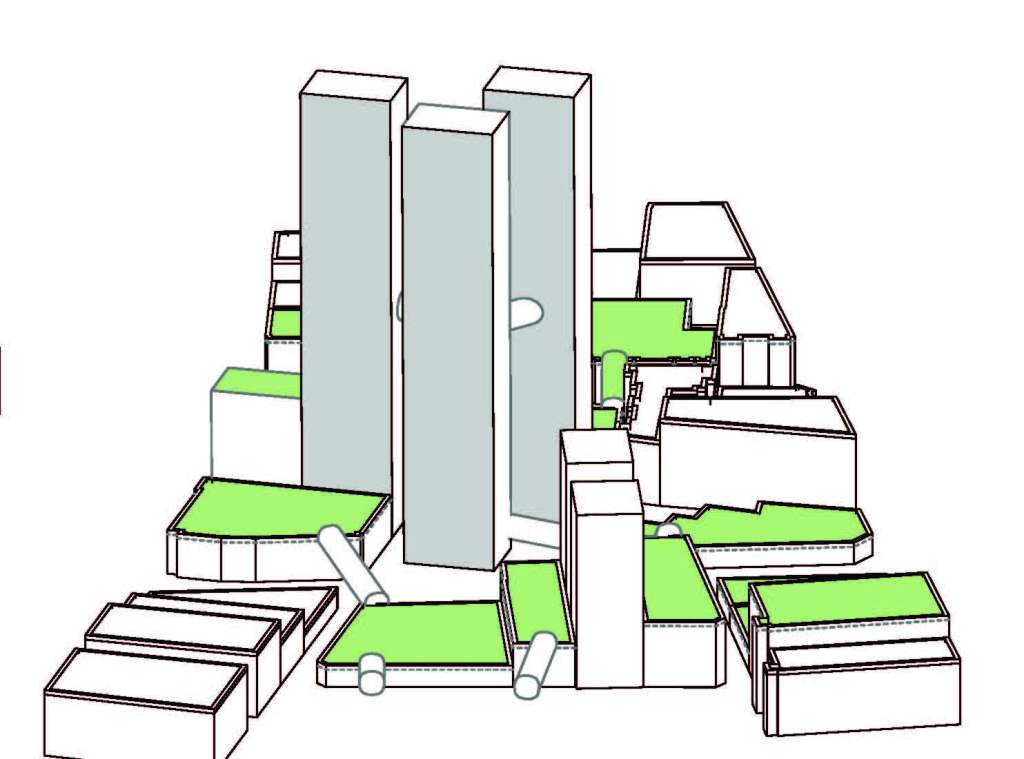




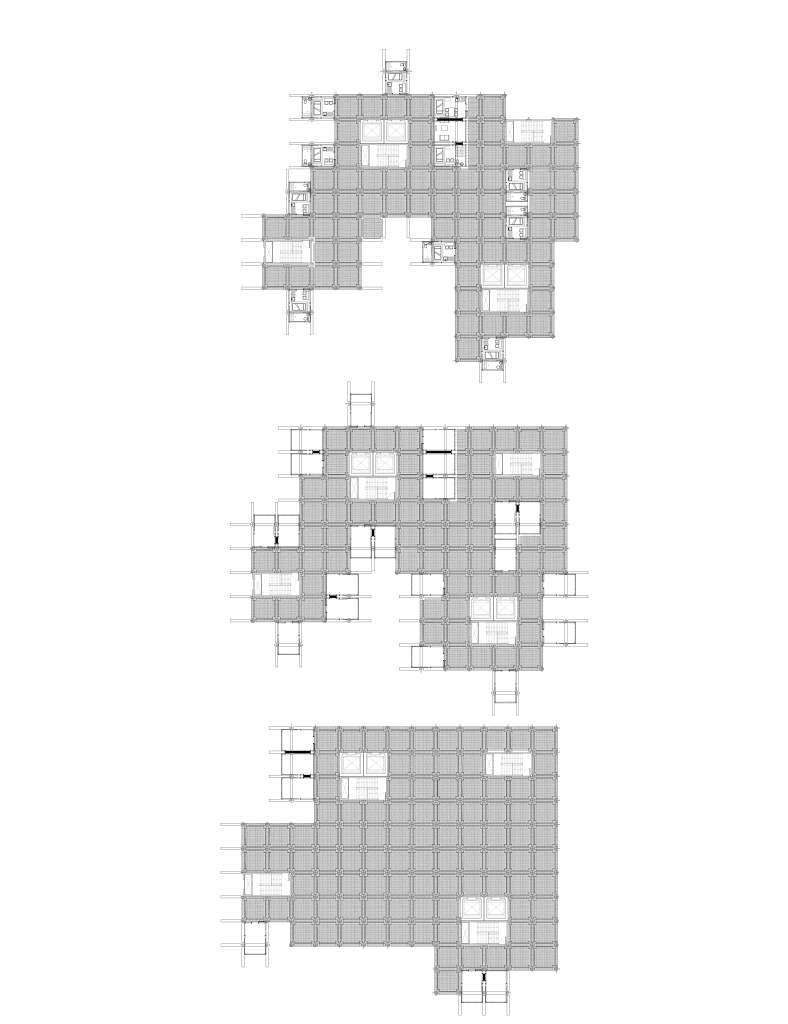


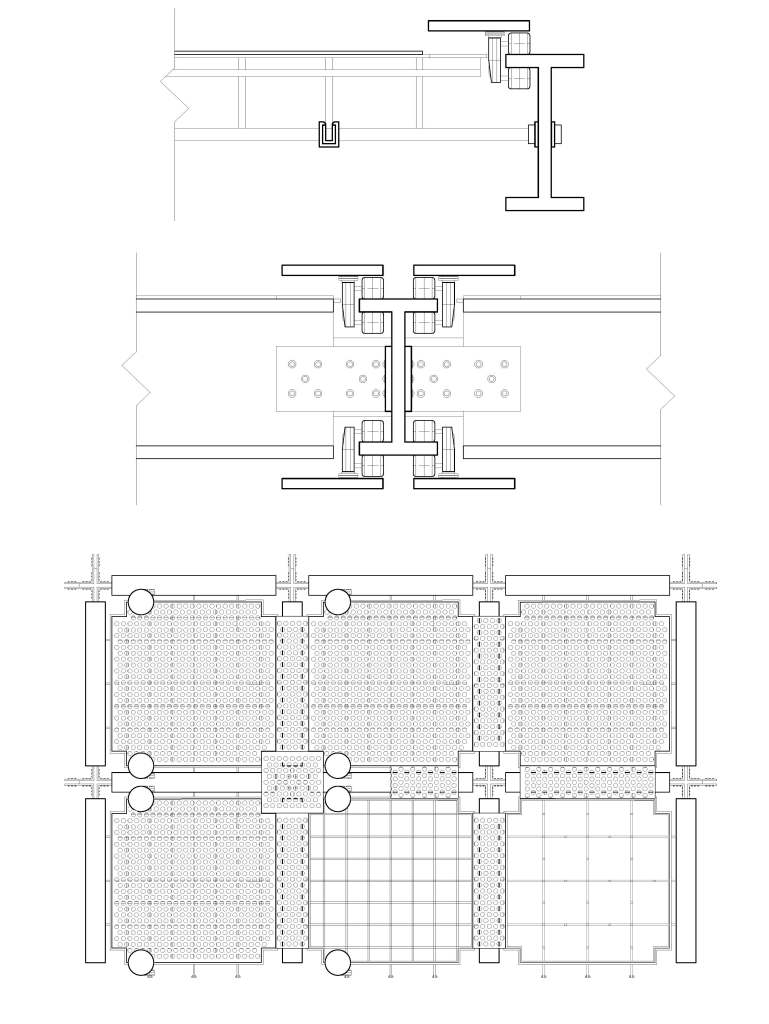

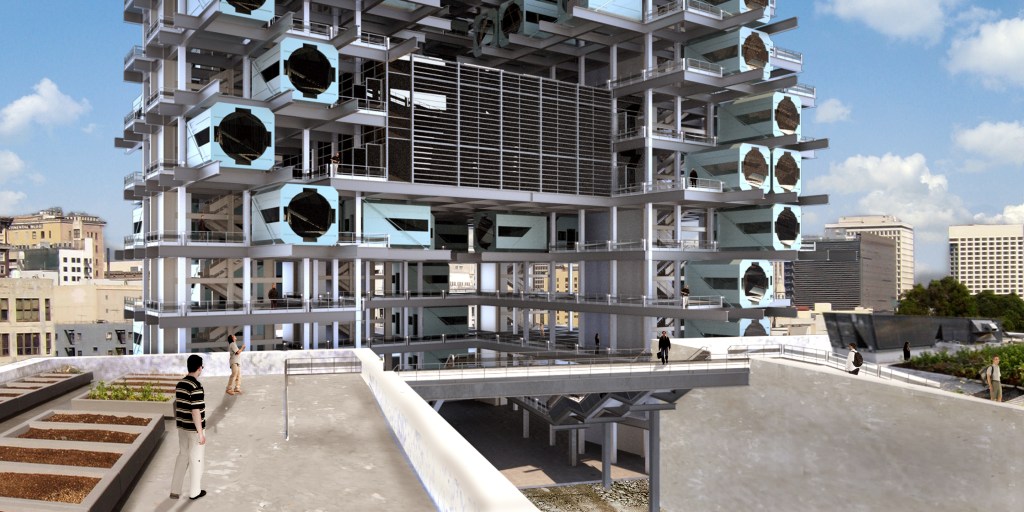
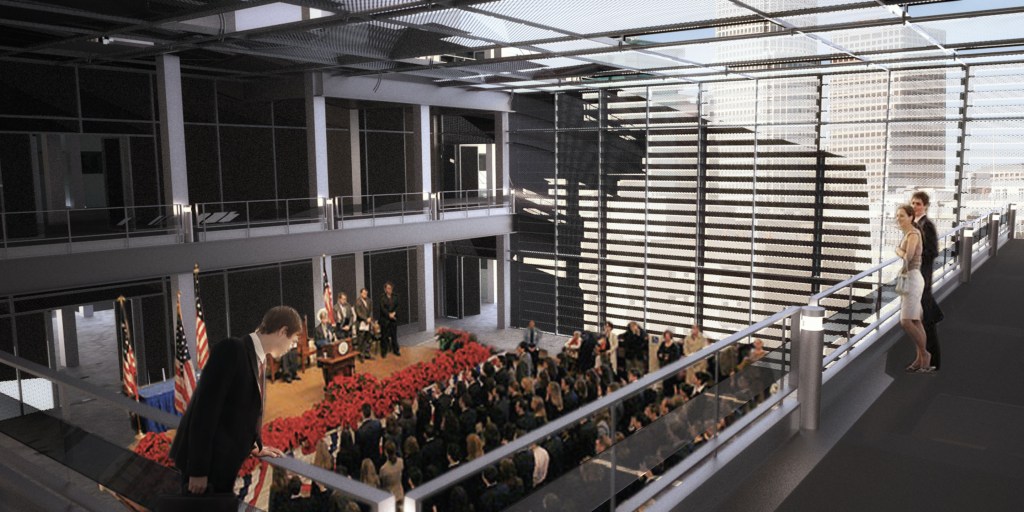
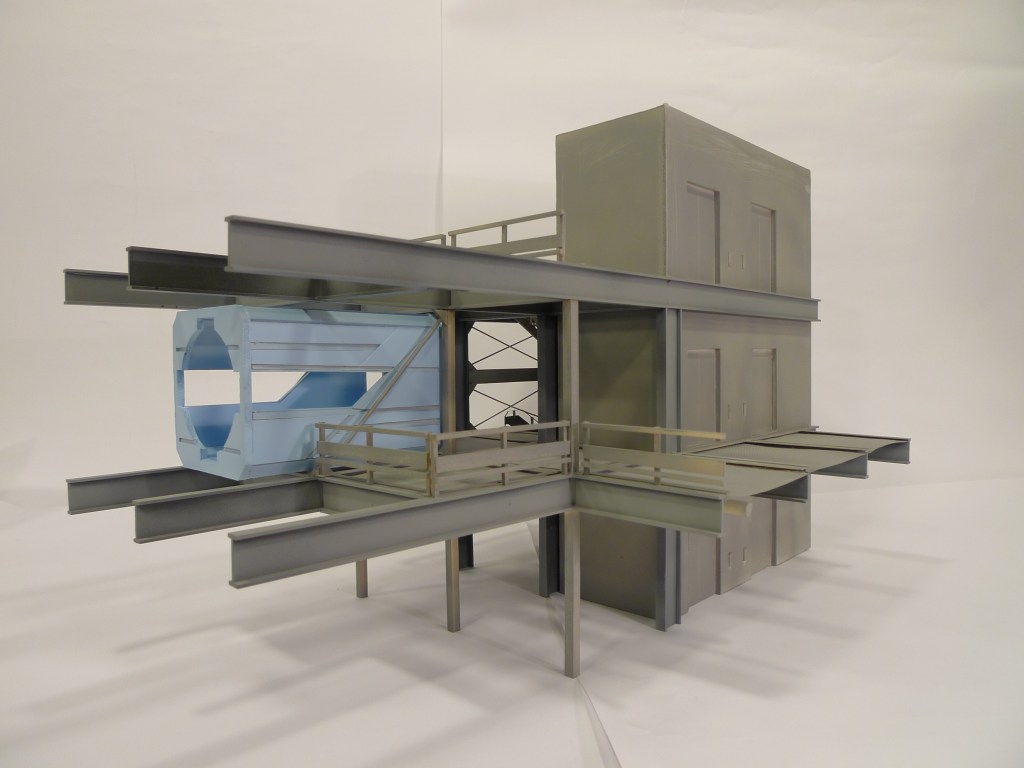
Los Angeles is a city that has been growing exponentially for the past 200 years and will continue to do so over the next 50 years. It is also a city that has been known to grow horizontally rather than vertically. The biggest issue surrounding Skid Row lies not in the types of resources, but rather in the quantity of those resources.
There is currently a major need to house hundreds, if not thousands, of homeless individuals residing in the 60-block area known as Skid Row. Through research, we have come to understand that many of the projects being developed for Skid Row reach a 200-permanent housing cap while taking up an immense amount of real estate. This limits many programmatic elements essential for a densely occupied urban area such as Skid Row. It is absolutely unsustainable for the mass community that needs to be accommodated in Skid Row.
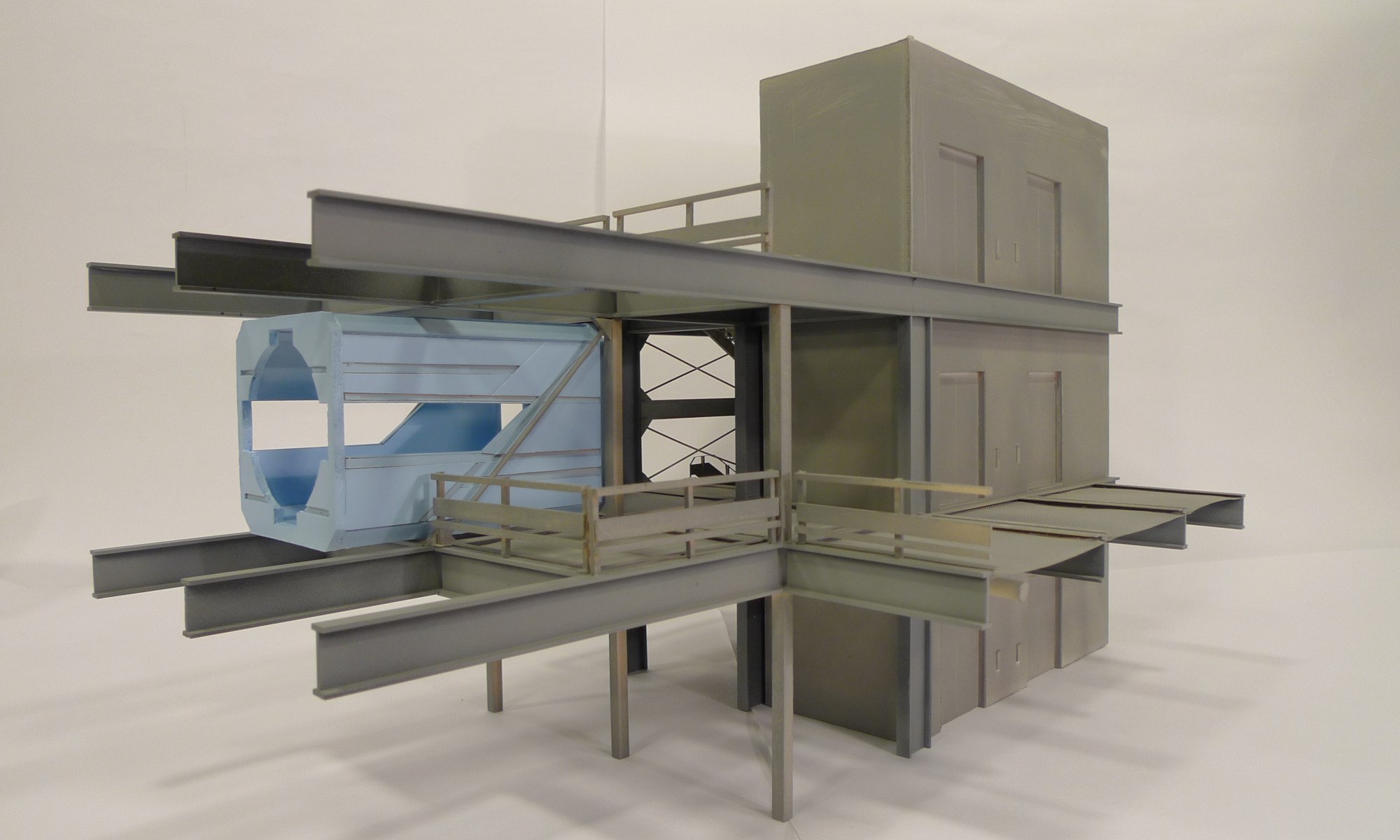
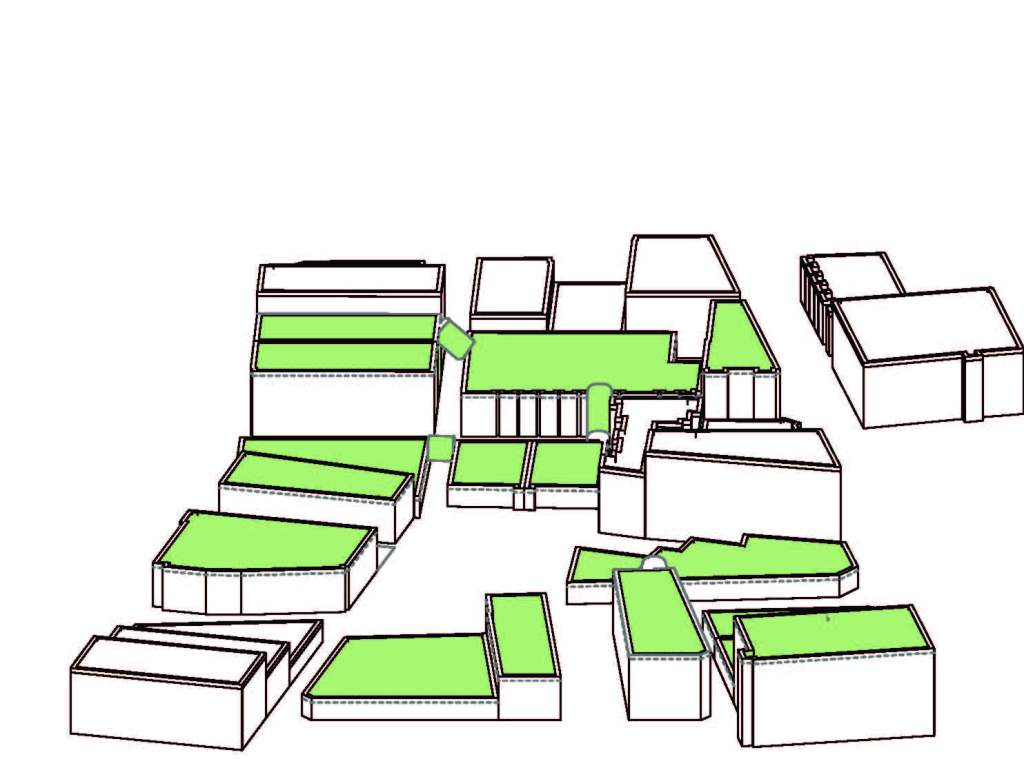
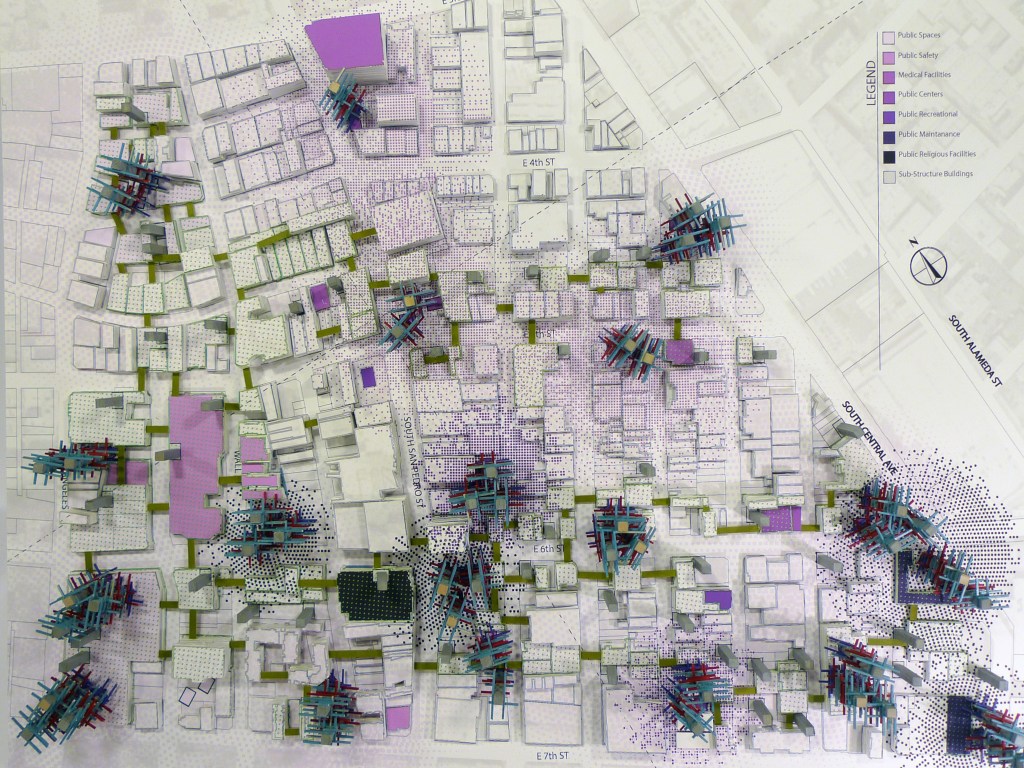
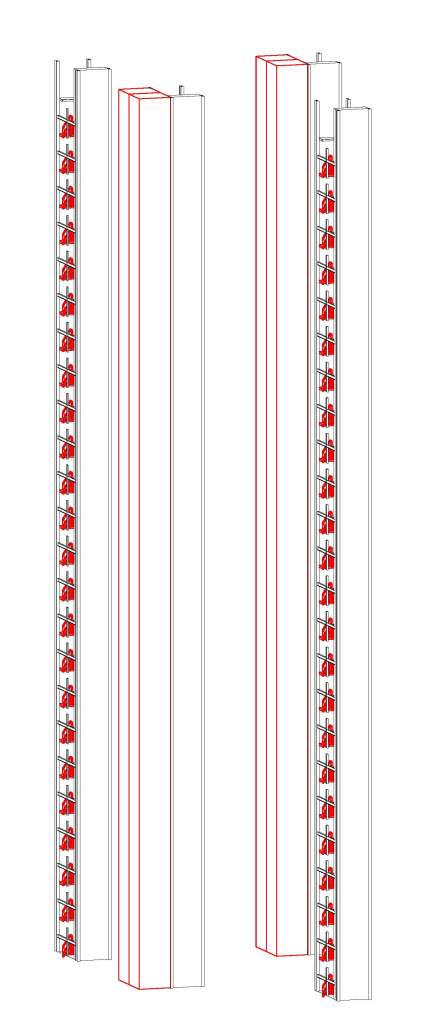
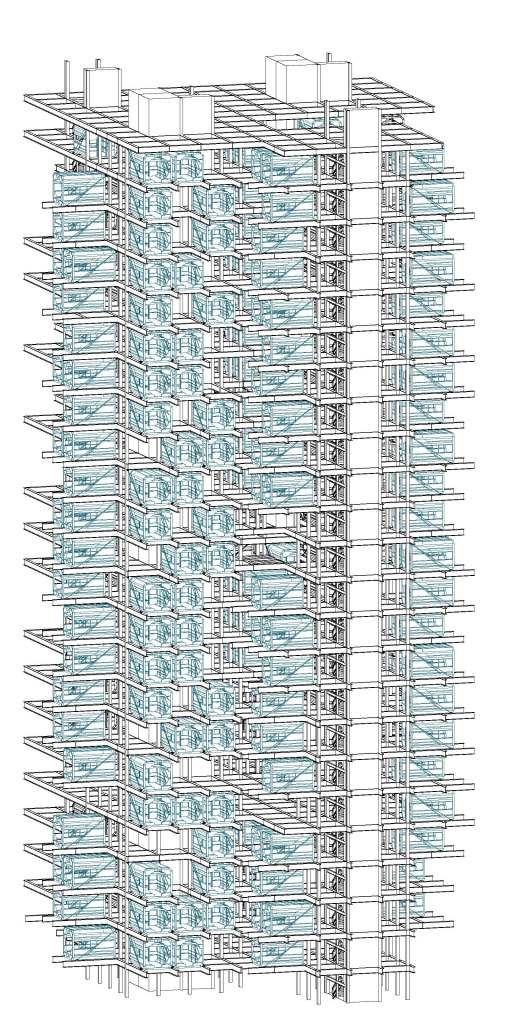
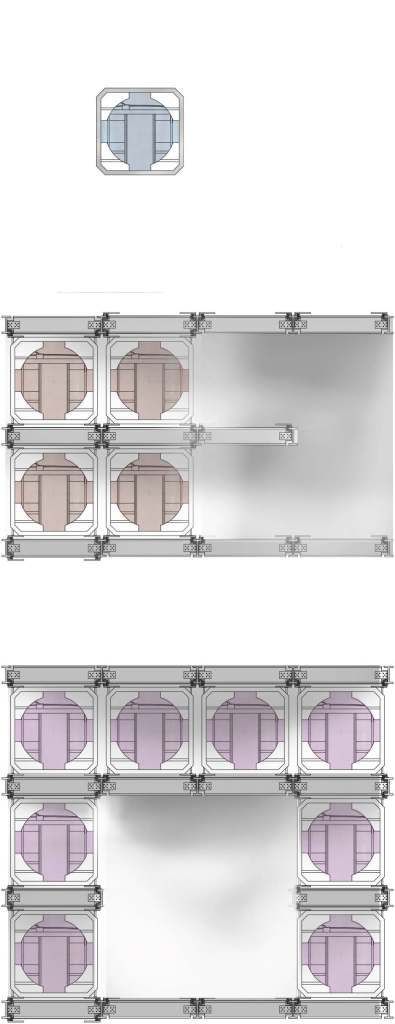
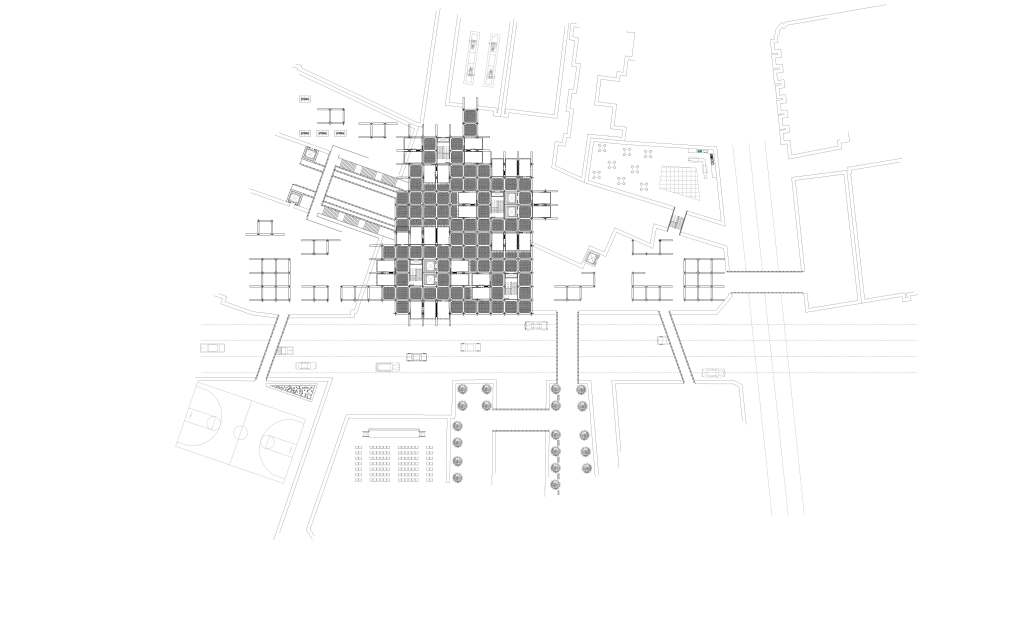
Skid Row has hundreds of missed opportunities for potential growth in the form of underused parking lots and rooftops. By maximizing the usage of these areas and filling the spaces with layered programs as well as layered circulation throughout the entirety of Skid Row, we propose to maximize per square foot. We define infill as taking advantage of all wasted space. We define layered program as the ability to stack/intervene commercial, industrial, and residential spaces into a single building, thus eliminating building zones and giving rise to districts specializing in targeted amenities within Skid Row.
This urban development is set to run its course over 50 years, beginning with major urban anchors designed to slowly integrate with one another.
 SAUL S ARCHILA